
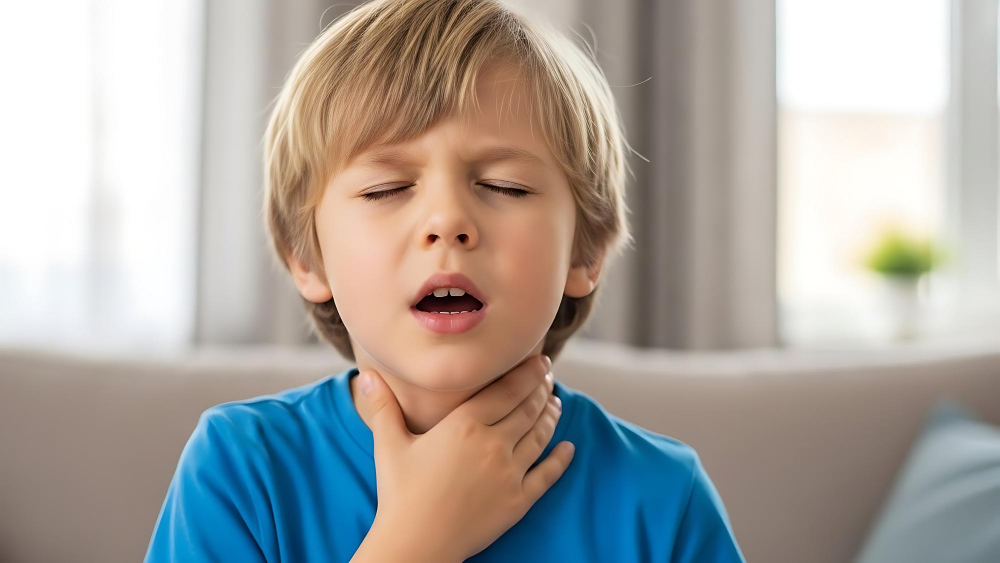
Pediatric sore throat is a common problem among children. Many kids experience a sore throat at least once a year. Often, it causes discomfort and worry for both children and parents. Because pediatric sore throat can have many causes, it is important to know the symptoms, diagnosis, and treatment options. This guide will help you understand what to look for and how to care for your child.
Symptoms of Pediatric Sore Throat
First, it helps to know the signs of a sore throat in kids. While some symptoms are mild, others may need quick attention. For example, children may not always say their throat hurts, but you can watch for these signs:
However, if your child has trouble breathing, drools a lot, or cannot swallow, seek medical help right away.
Common Causes in Children
There are several reasons why children get sore throats. Most often, infections are the main cause. But, other factors can also play a role. Here are some common causes:
Because causes can vary, it is important to watch for other symptoms as well.
Diagnosis: How Doctors Identify Sore Throat in Kids
When you visit a doctor, they will first ask about your child’s symptoms. Next, they will look at your child’s throat and check for redness or swelling. Often, doctors gently feel the neck for swollen glands. In some cases, they may use a swab to test for strep throat. This quick test helps find out if bacteria are the cause. If needed, doctors may order more tests. However, most sore throats in children are caused by viruses and do not need antibiotics.
Treatment Options for Pediatric Sore Throat
Treatment depends on the cause. For viral infections, rest and fluids are usually enough. But, if your child has strep throat, doctors may prescribe antibiotics. Here are some common treatment steps:
Remember, antibiotics do not help viral infections. Always follow your doctor’s advice for child sore throat remedies.
Home Care and Lifestyle Tips
There are many ways to help your child feel better at home. For example, you can:
Additionally, keep your home smoke-free and avoid strong odors. These steps can help your child recover faster.
Prevention Strategies for Parents
While you cannot prevent every sore throat, you can lower the risk. Here are some simple prevention tips:
Because prevention is key, these habits can help protect your child from sore throat in kids.
When to See a Doctor
Sometimes, a sore throat in children needs medical attention. You should call your doctor if your child:
When you worry about sore throat in children, it is always best to seek advice from a healthcare provider.
In summary, pediatric sore throat is common and usually mild. But, knowing the symptoms and causes can help you care for your child. If you have concerns, consult Dr. GANDAM SANDEEP KUMAR for personalized advice on your child’s sore throat.