What is Neonatal Hypoglycemia?
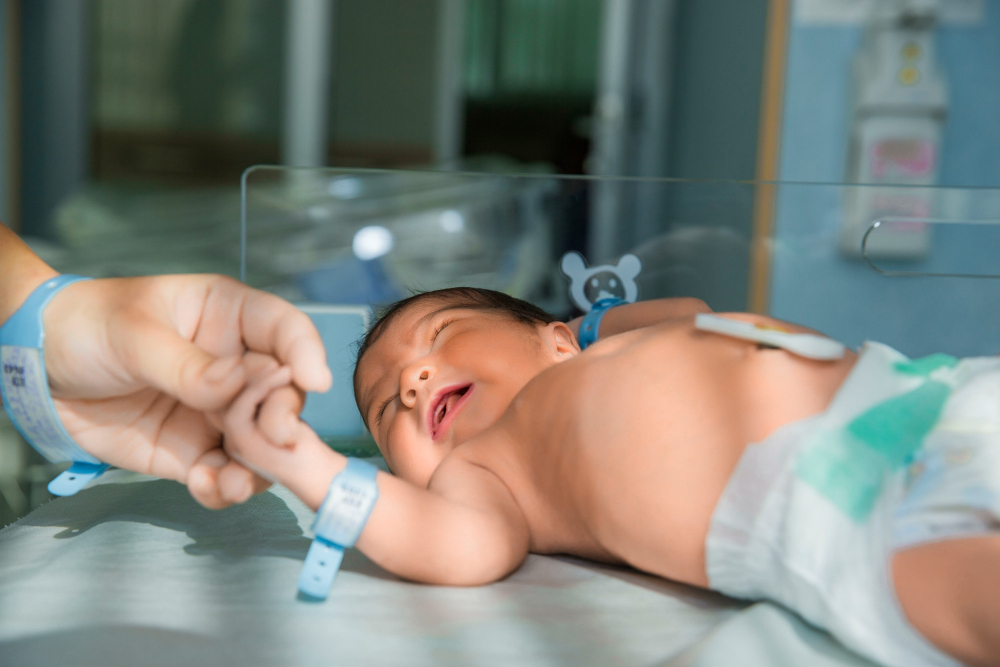
Neonatal hypoglycemia means low blood sugar in newborns. This condition happens when a baby’s blood sugar drops below normal levels. Blood sugar is important because it gives energy to the brain and body. Without enough sugar, a newborn’s health can be at risk. Early detection and treatment are key. Because newborns are still adjusting after birth, their sugar levels can change quickly. For this reason, parents and caregivers should know the basics about neonatal hypoglycemia.
Common Causes of Neonatal Hypoglycemia
Several factors can lead to low blood sugar in newborns. Some babies are more at risk than others. For example, babies born to mothers with diabetes often face this issue. However, other causes exist as well. Below are some common reasons:
Because these causes are common, doctors often check blood sugar in at-risk babies soon after birth.
Signs and Symptoms in Newborns
Neonatal hypoglycemia can be hard to spot. Sometimes, babies show no clear signs. Still, it is important to watch for symptoms. Early treatment helps prevent problems. Look for these signs of neonatal hypoglycemia:
If you notice any of these symptoms, seek medical help right away. Quick action can make a big difference.
How Neonatal Hypoglycemia is Diagnosed
Doctors use simple tests to check for low blood sugar in newborns. First, they may use a small blood sample from the baby’s heel. This test measures the blood sugar level. If the result is low, the doctor may repeat the test to confirm. In some cases, more blood tests are needed to find the cause. Because early diagnosis is important, hospitals often screen at-risk babies soon after birth. According to the CDC, regular monitoring helps prevent complications.
Treatment Options for Neonatal Hypoglycemia
Treatment for newborn low blood sugar depends on how severe the case is. In mild cases, feeding the baby more often may help. Breast milk or formula can quickly raise blood sugar. However, if the baby cannot feed well, doctors may give sugar water or glucose gel. For more serious cases, the baby may need glucose through an IV (a small tube in the vein). Treatment continues until blood sugar levels are stable. The goal is to keep the baby safe and healthy.
Prevention and Home Care Tips
While not all cases can be prevented, some steps can lower the risk. Here are some tips for parents and caregivers:
Because prevention is better than cure, these steps can help keep your newborn healthy.
When to Seek Medical Help
If you notice any signs of neonatal hypoglycemia, do not wait. Seek medical help right away. Early treatment can prevent serious problems. Contact your doctor if your baby:
Because newborns can get sick quickly, prompt care is always best.
Conclusion
Neonatal hypoglycemia is a serious but treatable condition. With early care, most babies recover fully. If you suspect neonatal hypoglycemia, consult Dr. GANDAM SANDEEP KUMAR promptly for personalized care . Your quick action can help your baby stay healthy and safe.